Springe direkt zu Inhalt

Visiting Scholar Program

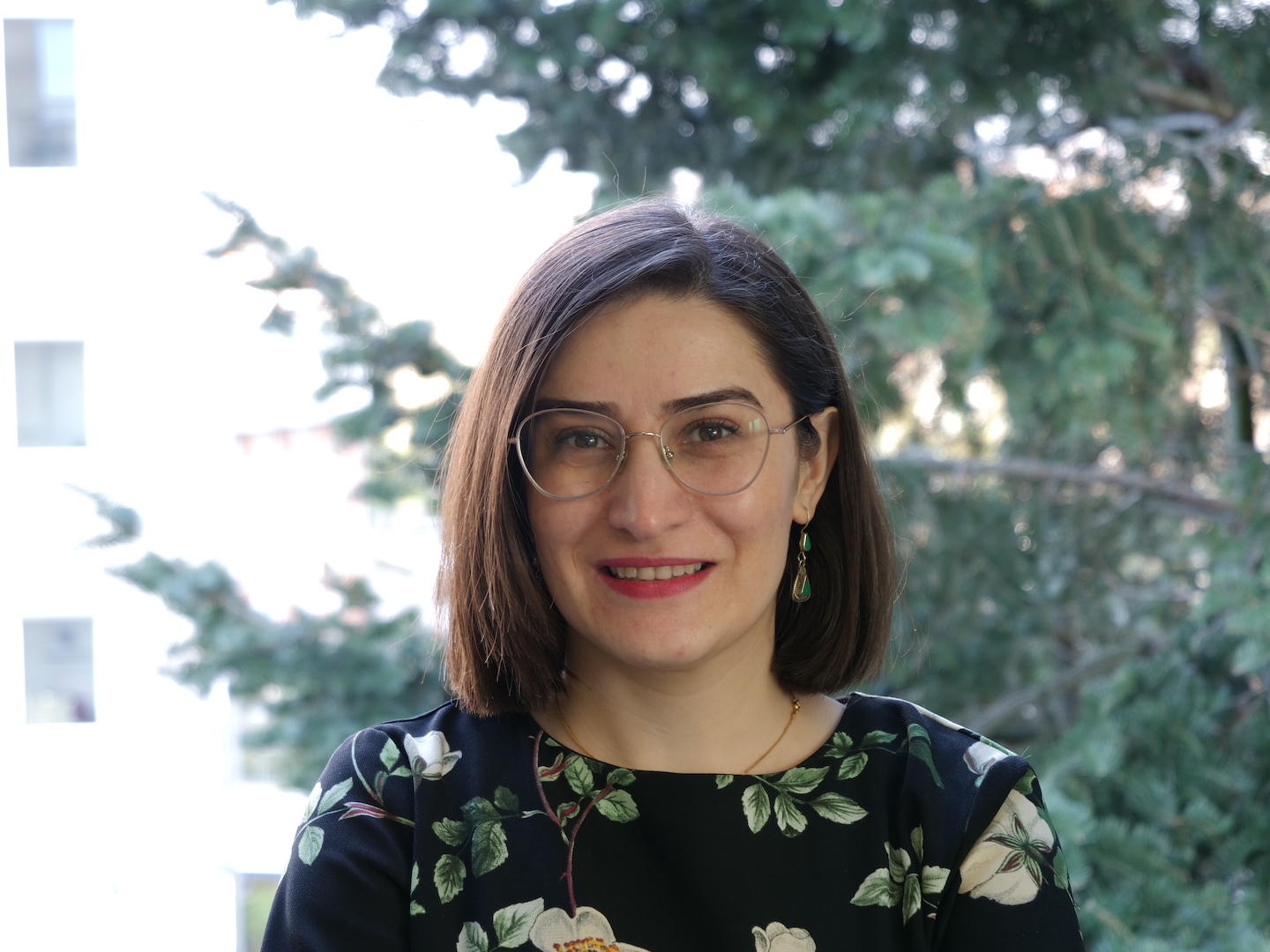
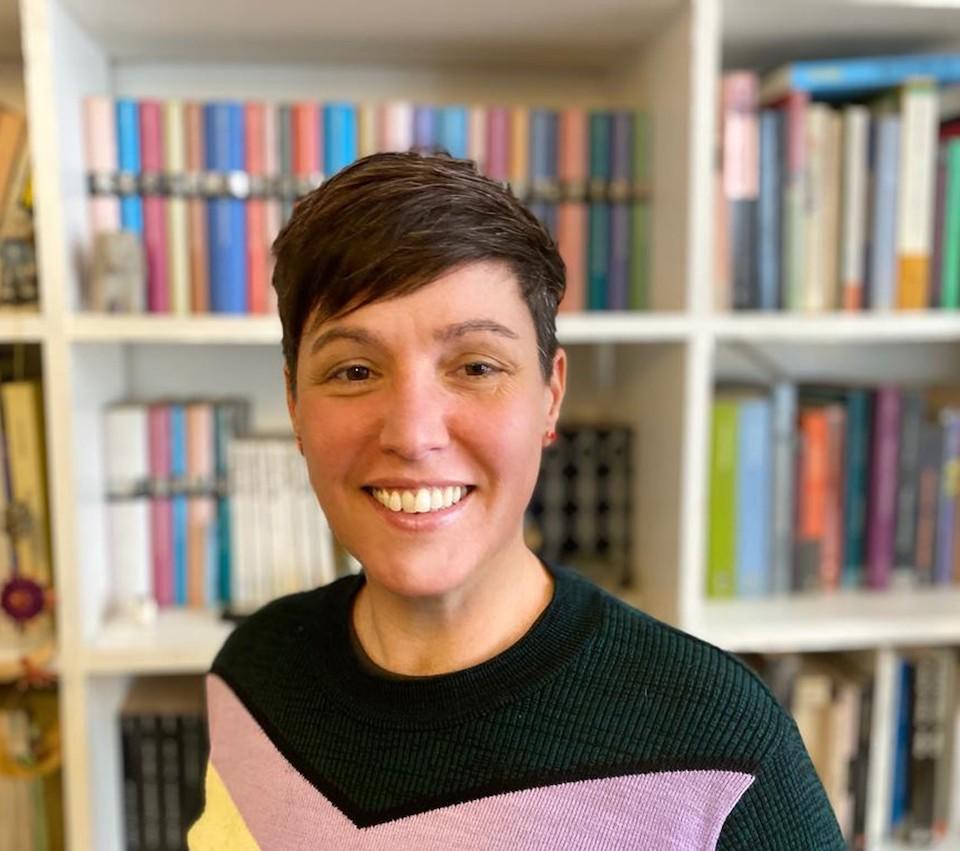
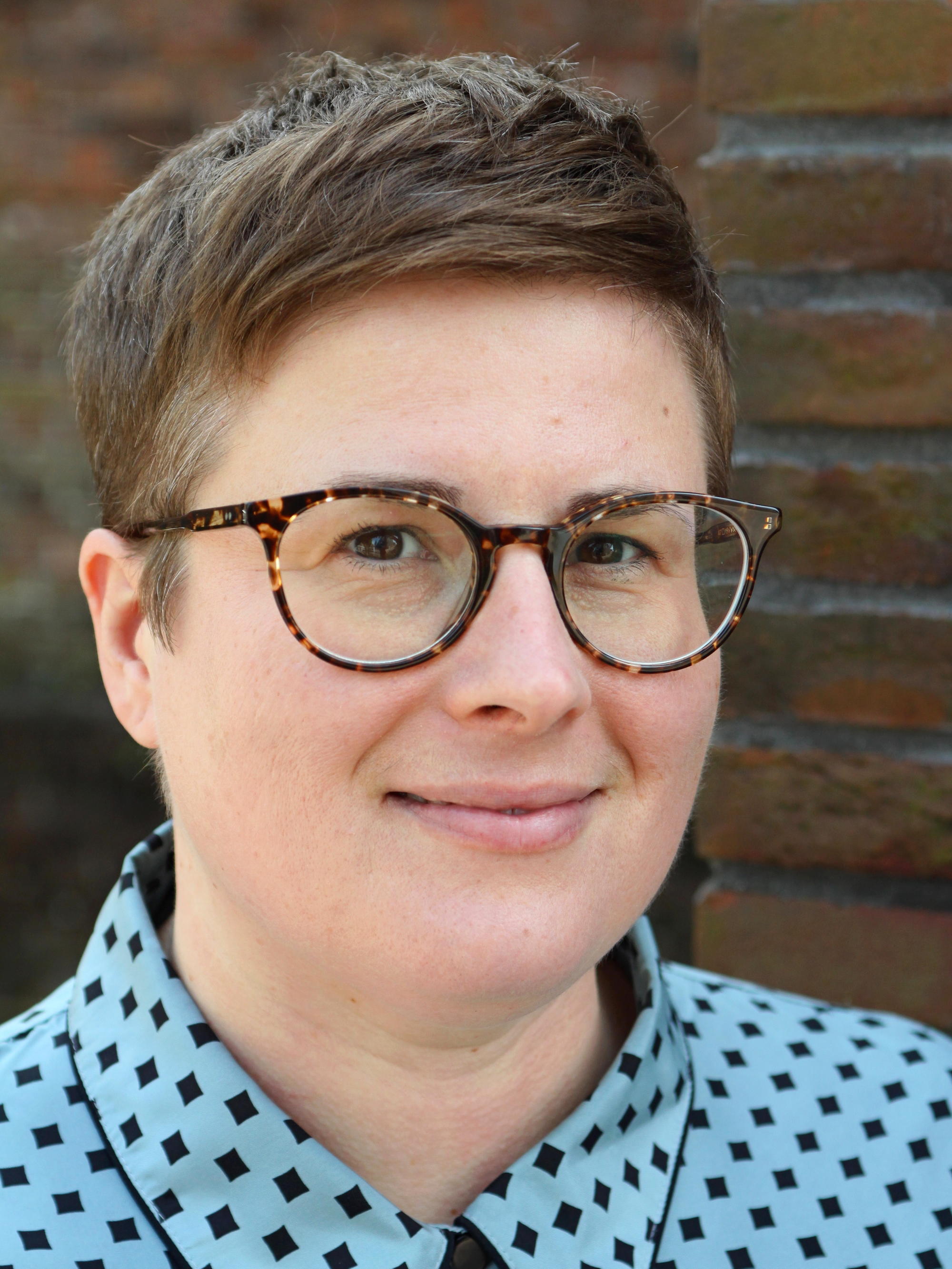
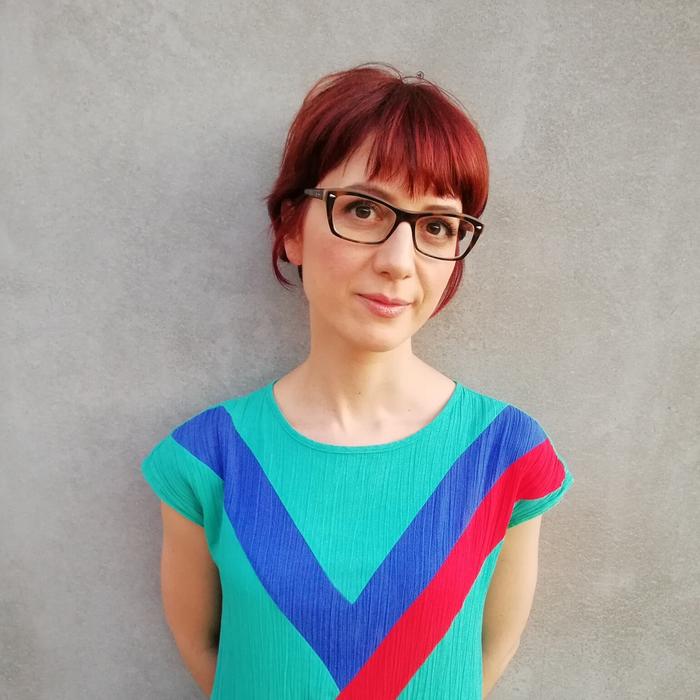
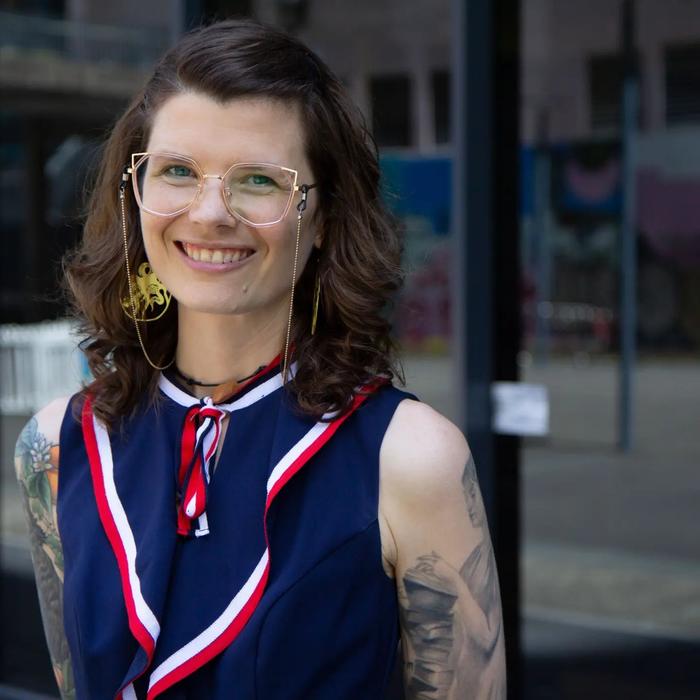
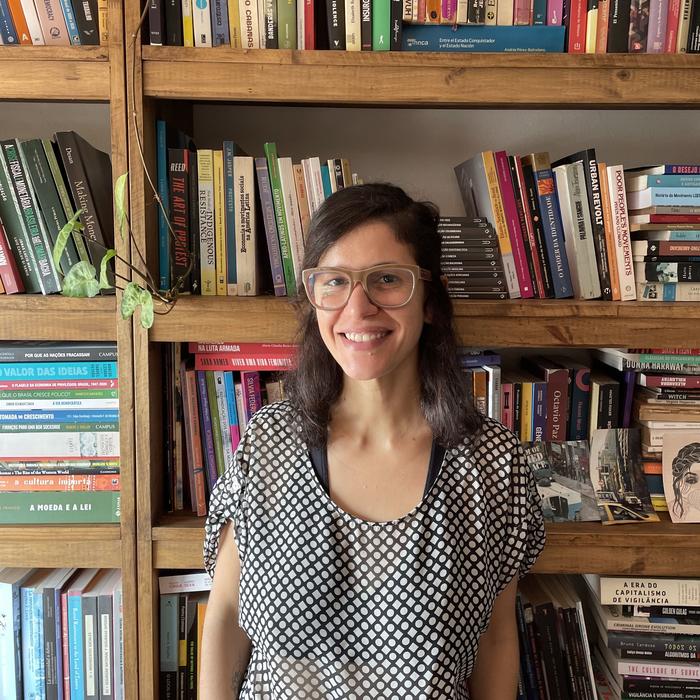
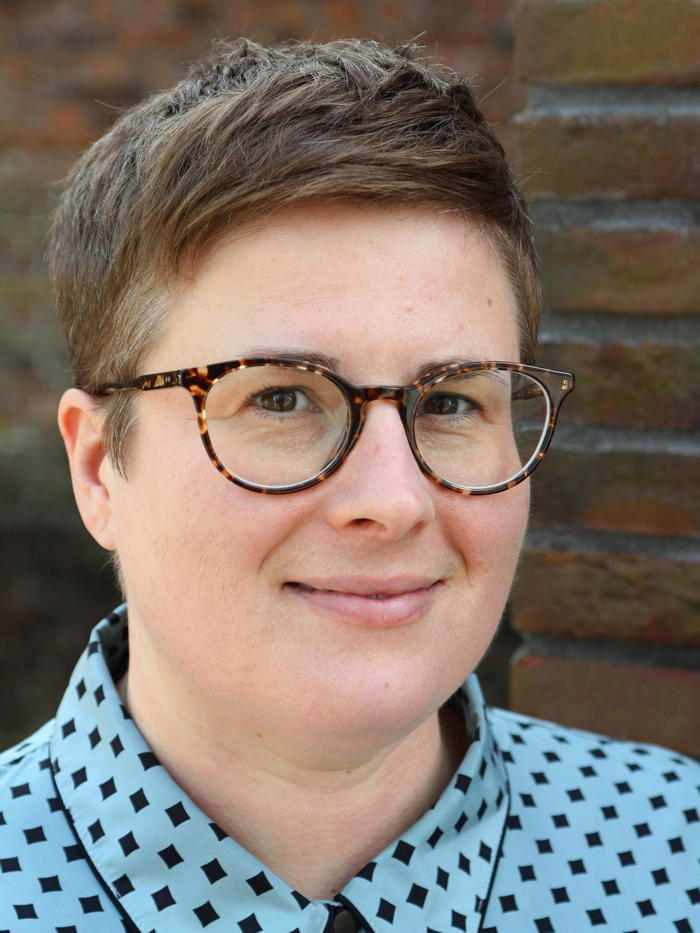
Lorea Romero Gutiérrez

Lorea Romero Gutiérrez
Bildquelle: Lorea Romero Gutiérrez

Dr. Lorea Romero Gutiérrez is a Juan de la Cierva postdoctoral fellow at the Faculty of Social and Human Sciences of the University of Deusto (Spain). Her main research interests include feminist work in today's academia, feminist curricular innovation, feminist methods in social and human sciences, gender inequalities in society and education, and gender-based violence. She is co-author of the monograph Gender Youth and Education in Early 21st Century Spain, published by Brill (2022). Her research work has received awards from the Seminar of Women´s and Gender Studies of the University of Cantabria (2018), the Chair on Equality and Gender of the University of Zaragoza (2023), the Sociology of Gender Research Committee of the Spanish Federation of Sociology (2024), and the Social Council of the University of Cantabria (2025).

She holds a degree in Sociology (2014), from the University of Salamanca (Spain), a PhD in Equity and Innovation in Education (2022), from the University of Cantabria (Spain), with the distinction of the Extraordinary PhD Award among others, and two postgraduate degrees in gender and teacher training. She was a visiting researcher at the Gender Studies Programme of the University of Iceland during her doctorate. She has also been a visiting professor at the UNTREF in Buenos Aires. She held a doctoral fellowship at the University of Cantabria (2018-2022), was affiliated lecturer of Sociology at the Faculty of Education of this institution (2022-2023), and board member of the Commission for Doctoral Programmes of the Catalan University Quality Assurance Agency - AQU Catalunya (2019-2023).

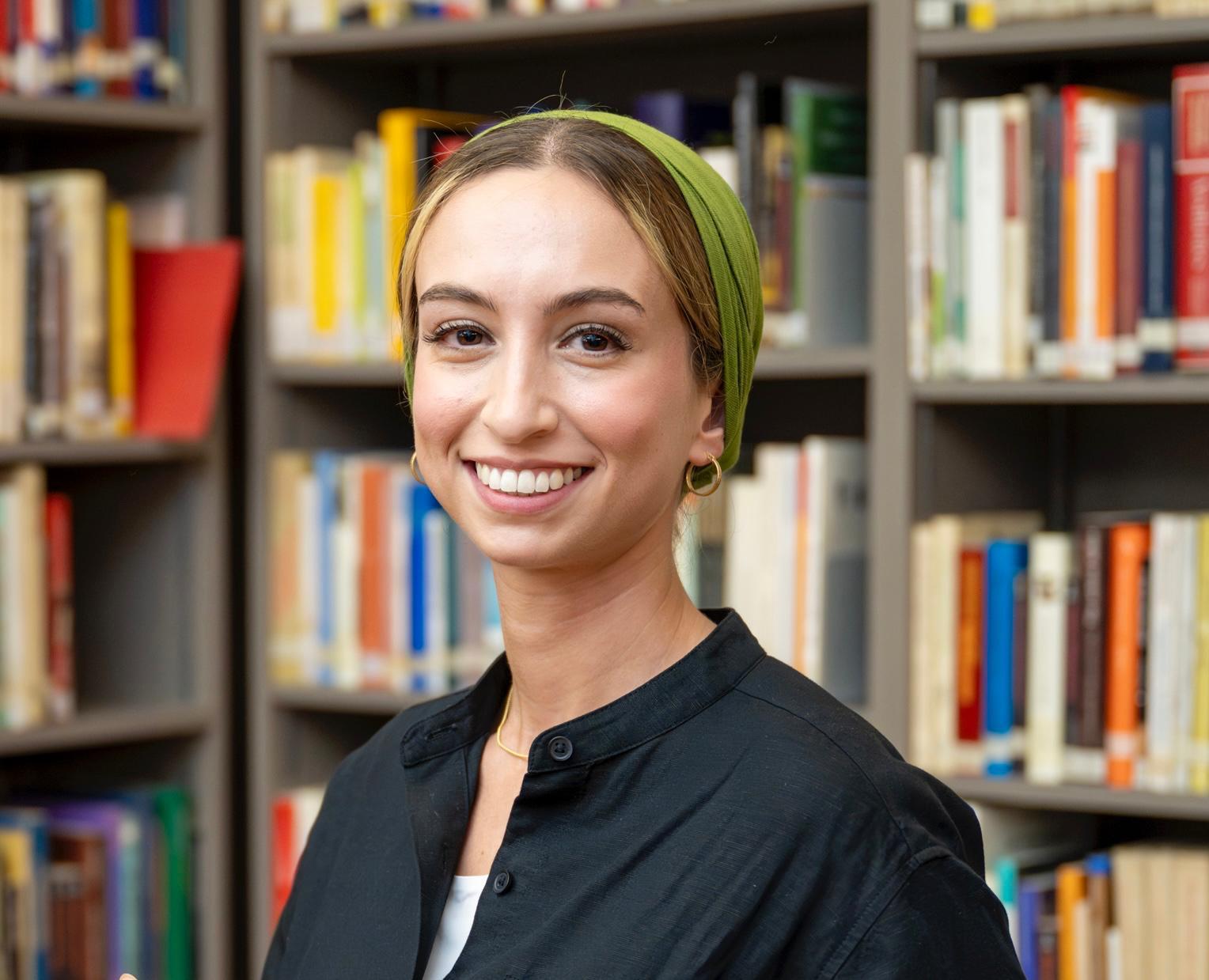
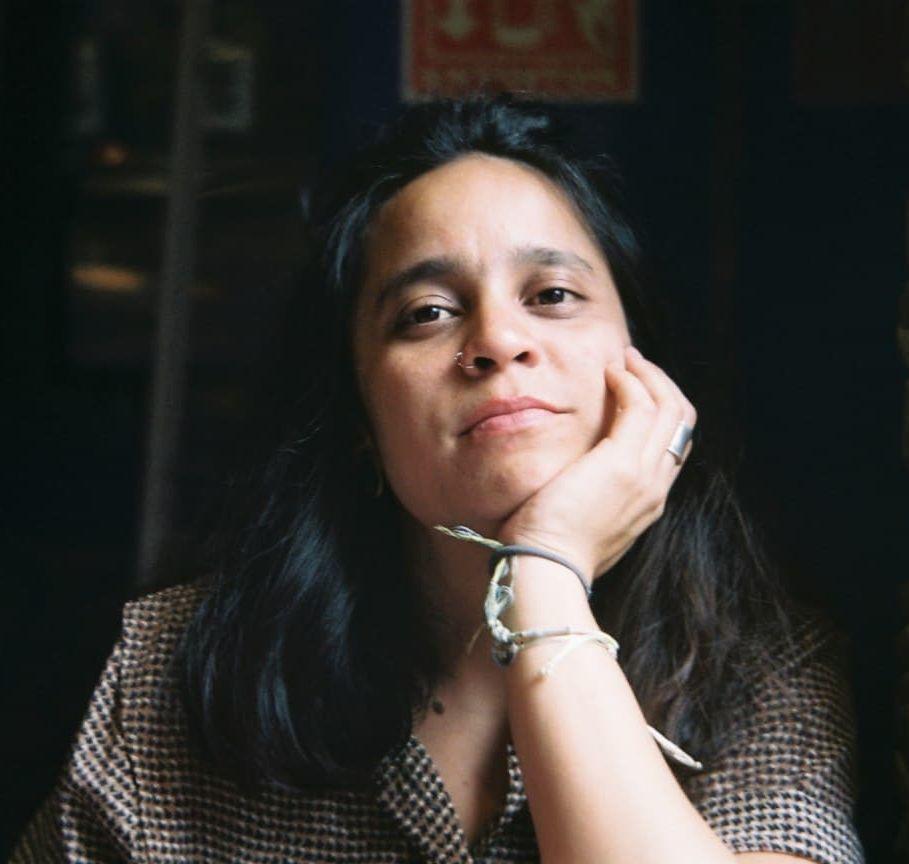
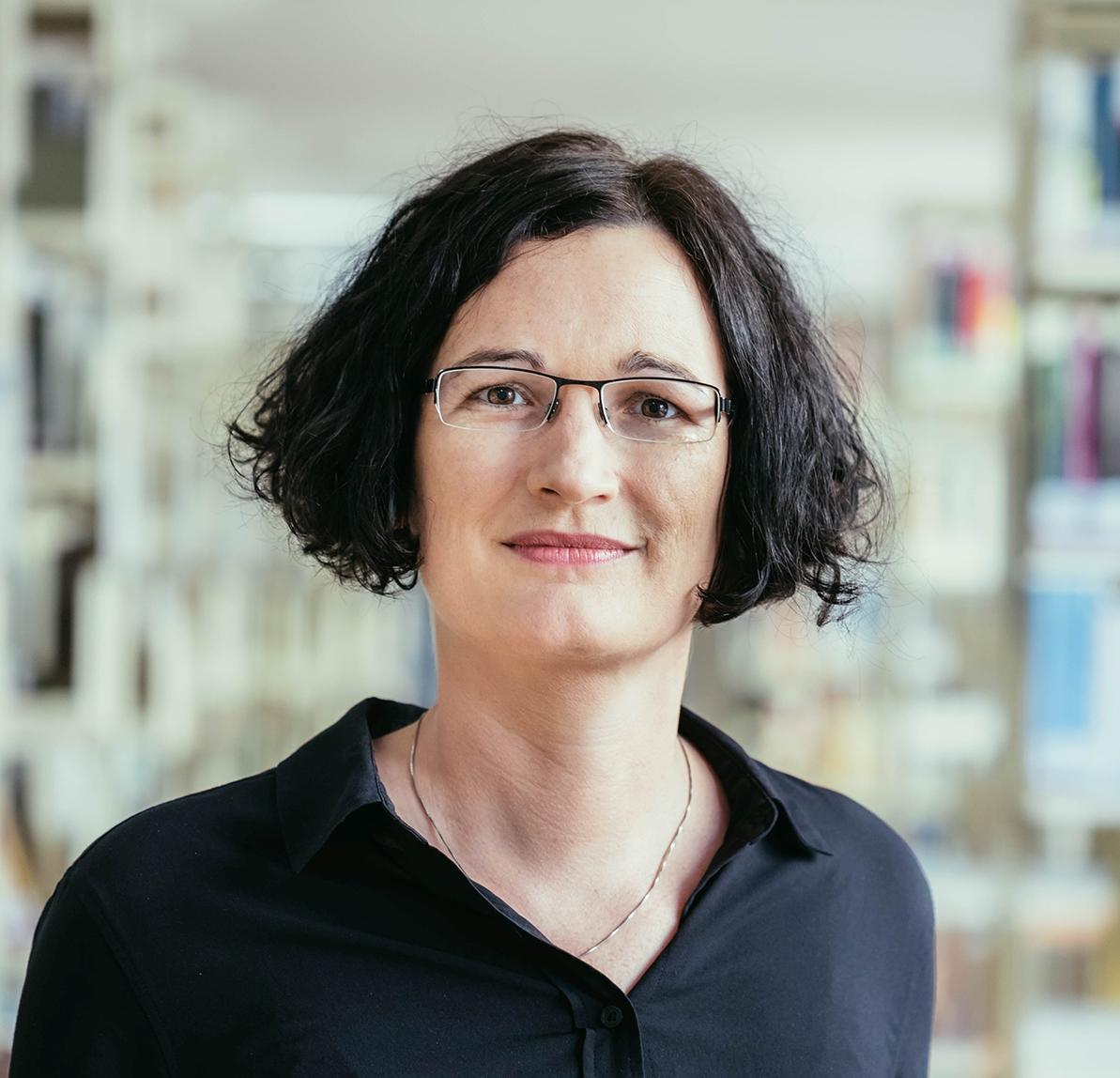
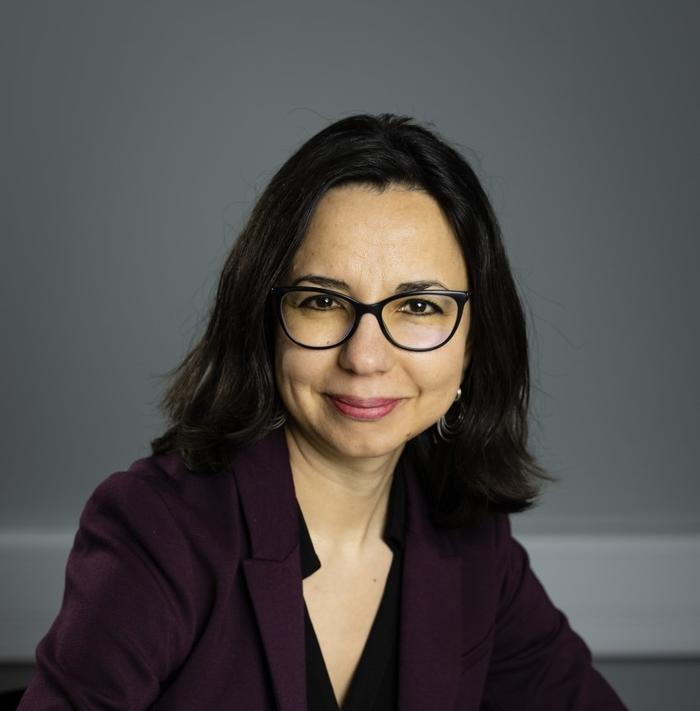
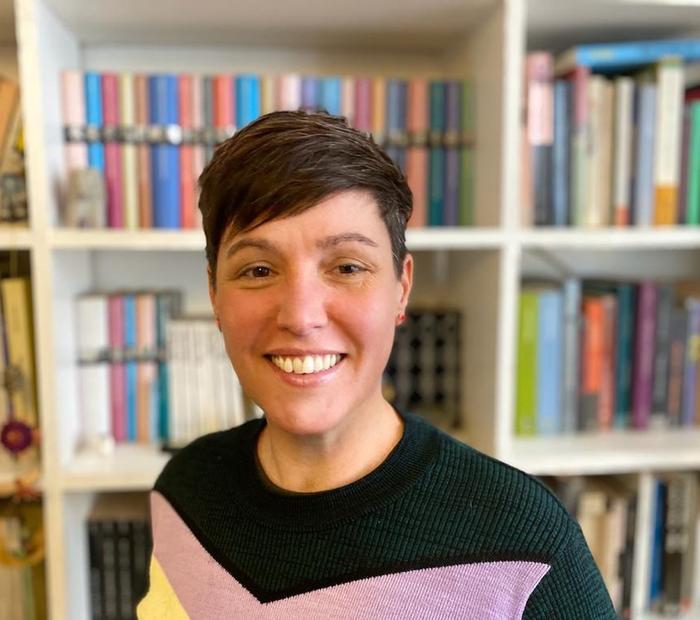
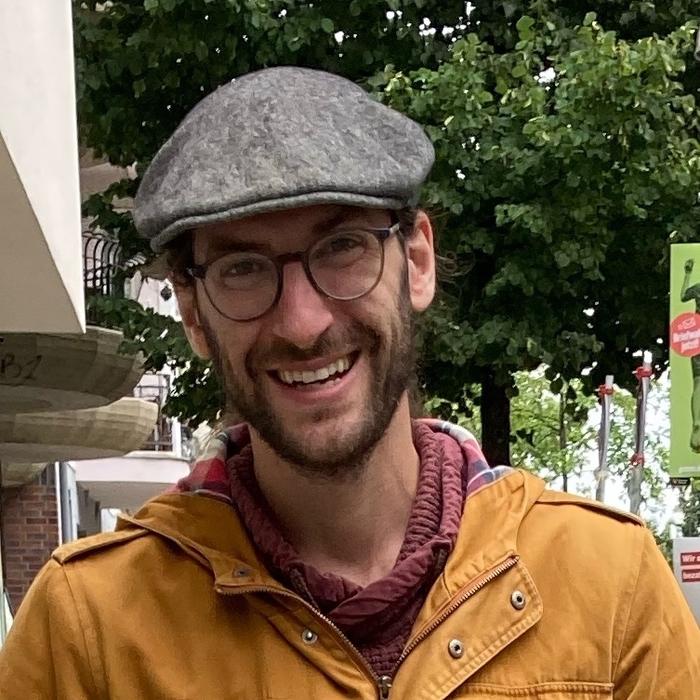
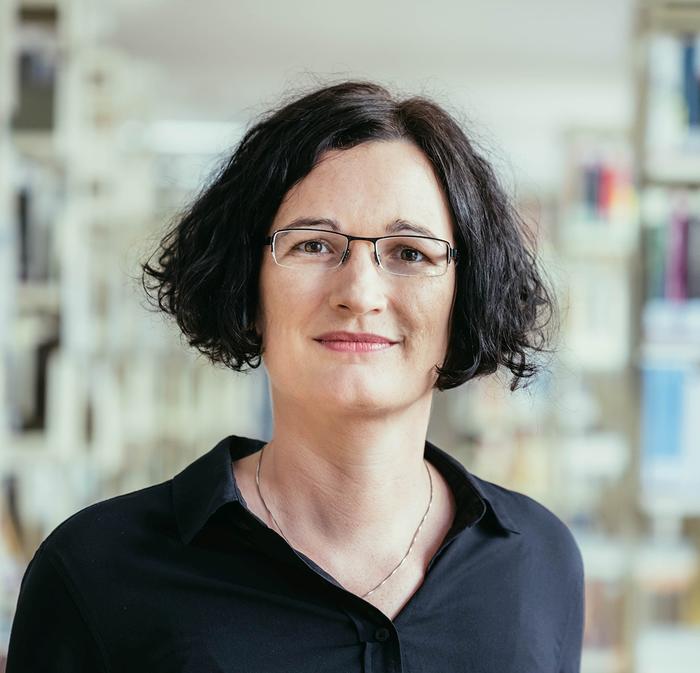
Laura Volgger

Laura Volgger
Bildquelle: Michelle Schmollgruber (2023)

Laura Volgger (she/her/none) is doing the Ph.D in Social and Political Sciences at the University of Innsbruck and is a doctoral  researcher at the Center for Interdisciplinary Gender Research. Volggers research interests centre on feminist political theories of violence, feminist epistemology, regimes of silence, queer-feminist materialism, and empirically based research on gender-based violence. In the doctoral thesis, Volgger examines how lived experiences of sexualized violence and knowledge about it are normalized and rendered invisible through regimes of silence in heteronormative-patriarchal capitalist and bio_necropolitical state orders. Volgger is part of the research project “Explorative Study on Sexualized Violence in Close Social Relations in South Tyrol” at the Center for Interdisciplinary Gender Research of University of Innsbruck.

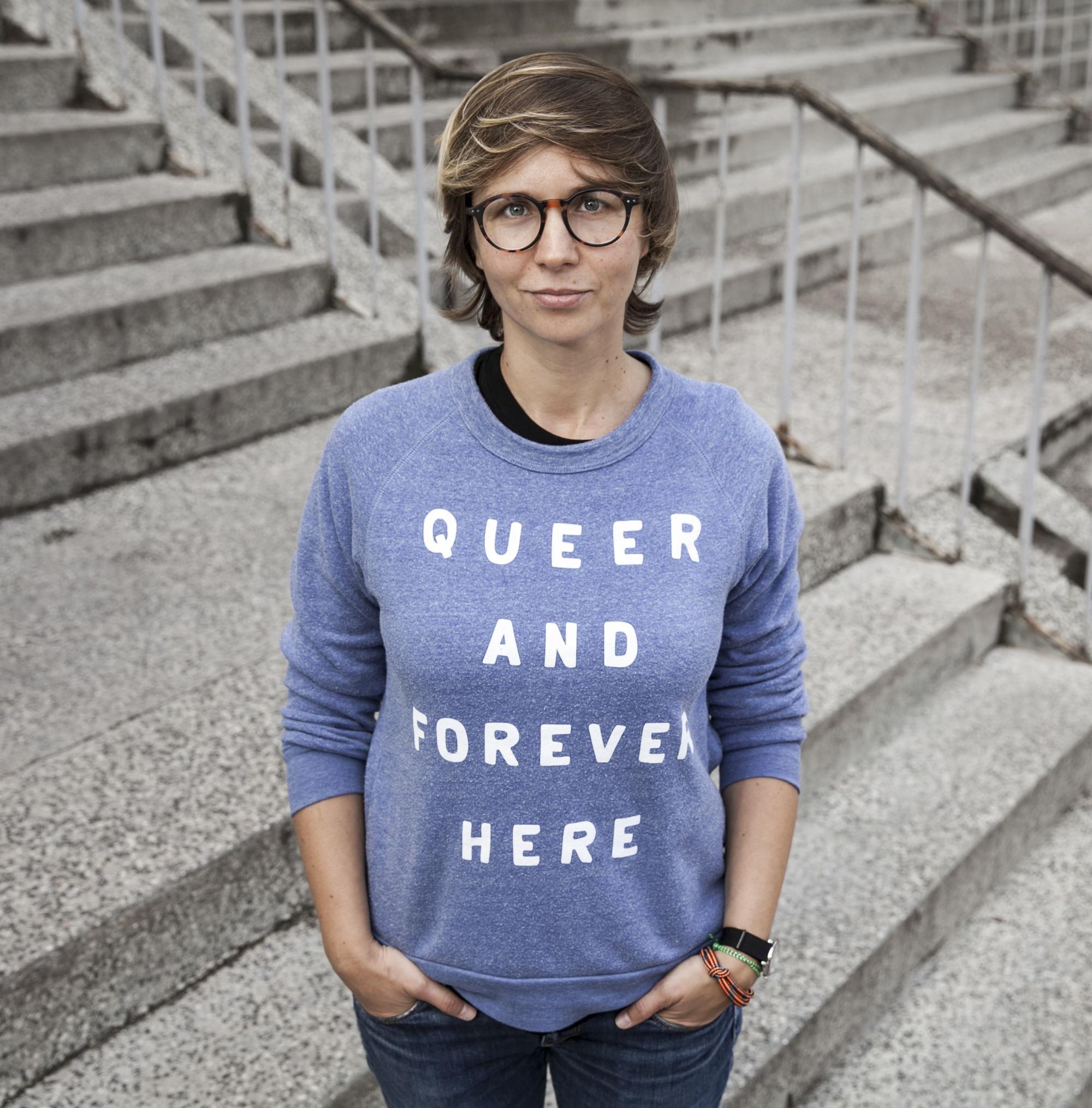
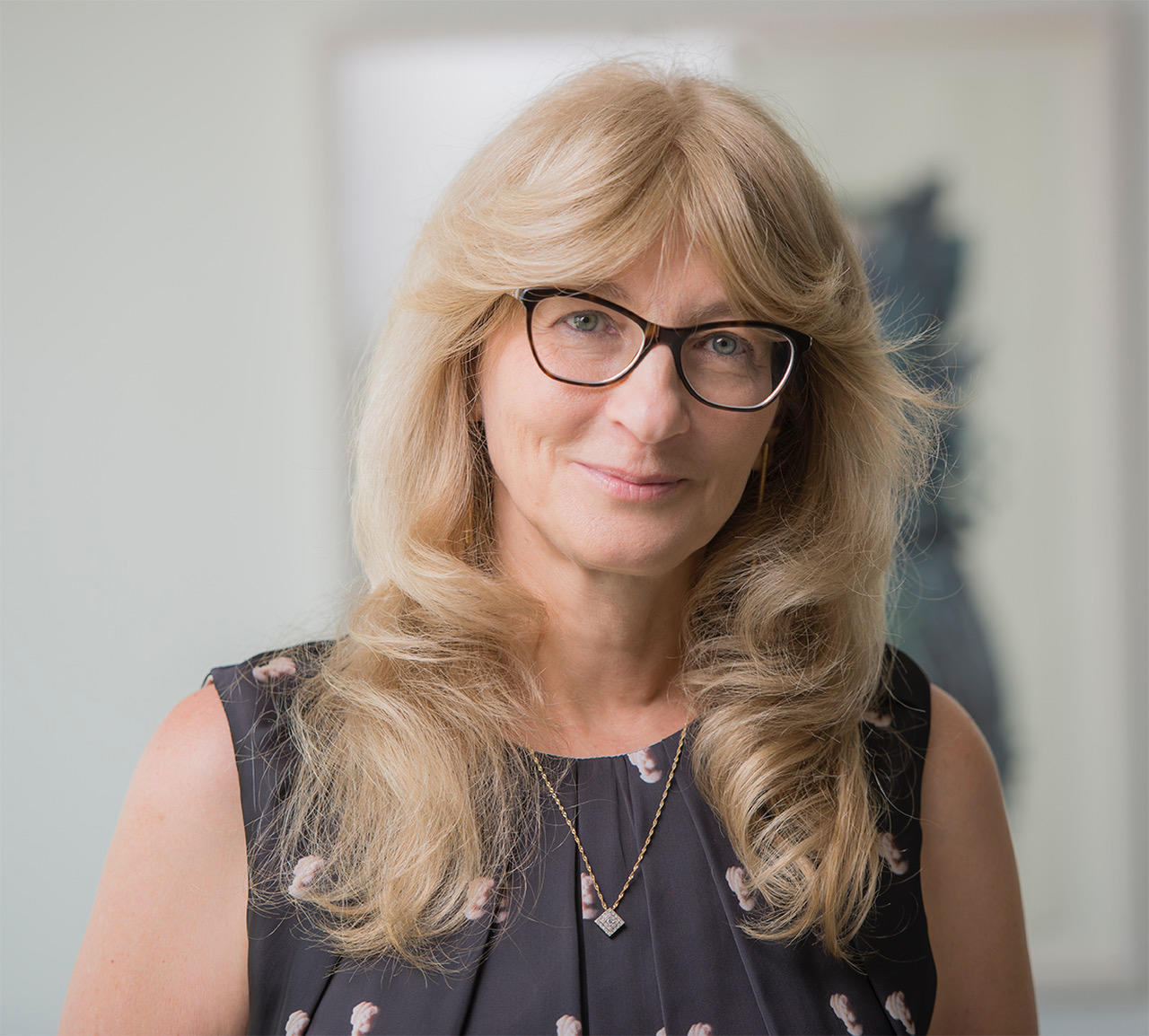
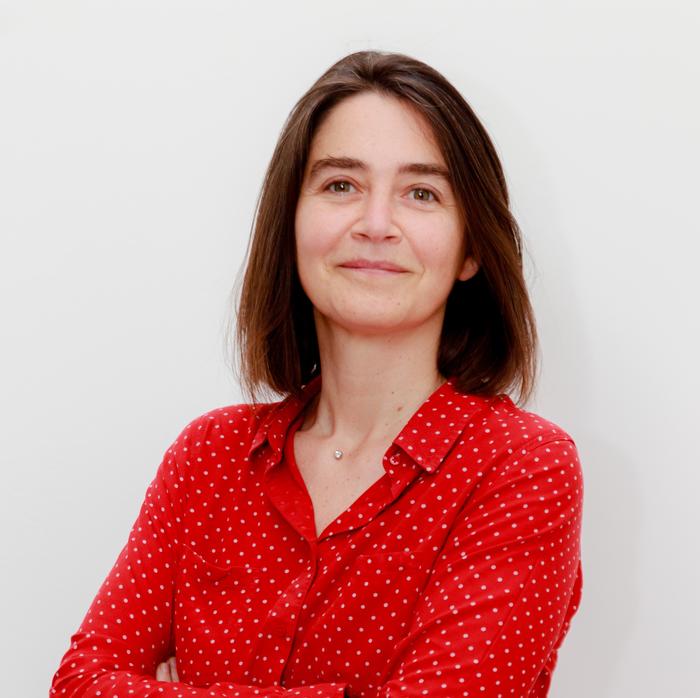
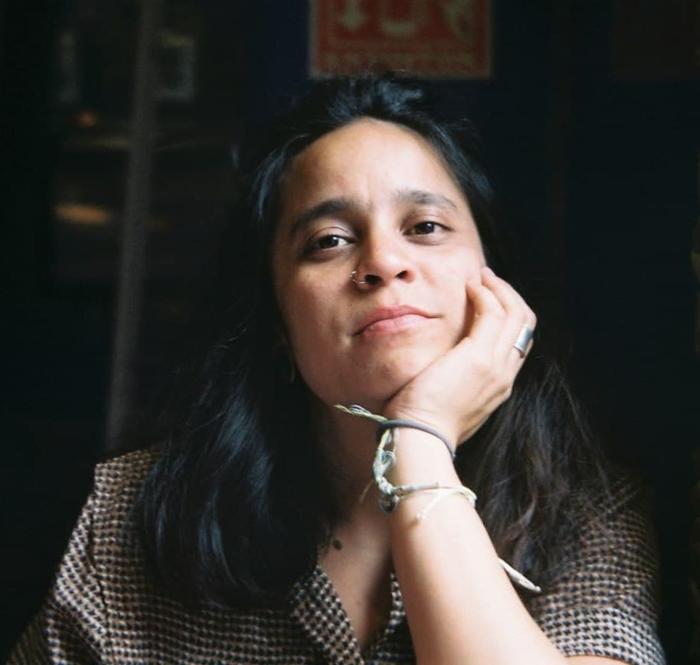
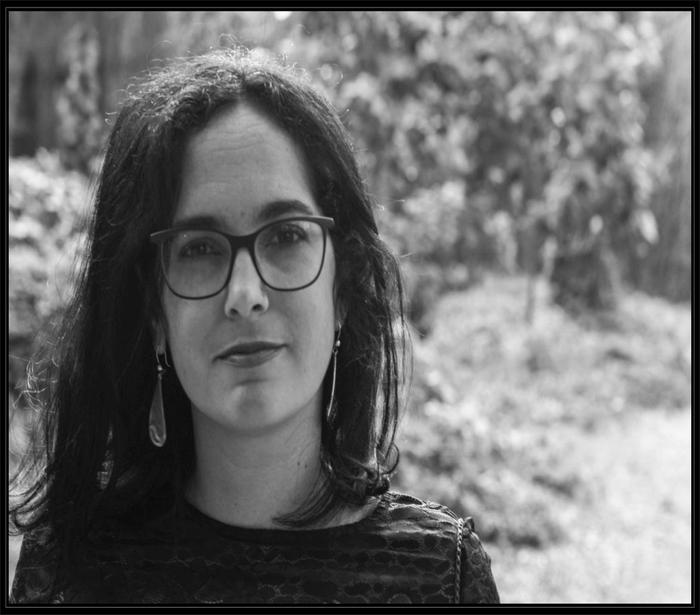
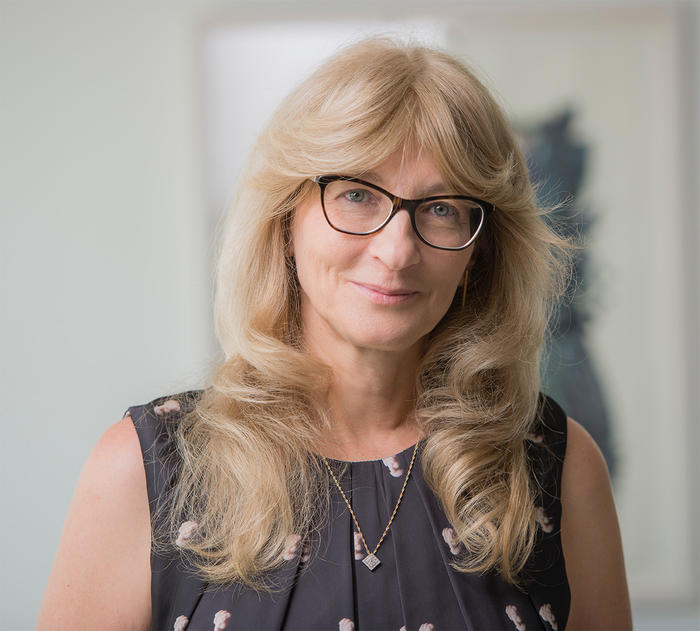
Ela Przybyło

Ela Przybyło
Bildquelle: Ela Przybyło 

Dr. Ela Przybyło (she.they) is Associate Professor in English and Core Faculty in Women’s, Gender, and Sexuality Studies at Illinois State University. They are the author of Asexual Erotics: Intimate Readings of Compulsory Sexuality (Ohio State University Press 2019) and Ungendering Menstruation (University of Minnesota Press, 2025). Currently, with Yo-Ling Chen, they are editing the Global Asexualities and Aromanticisms collection (Routledge). Ela is also a founding editor of the peer-reviewed, open access journal Feral Feminisms.

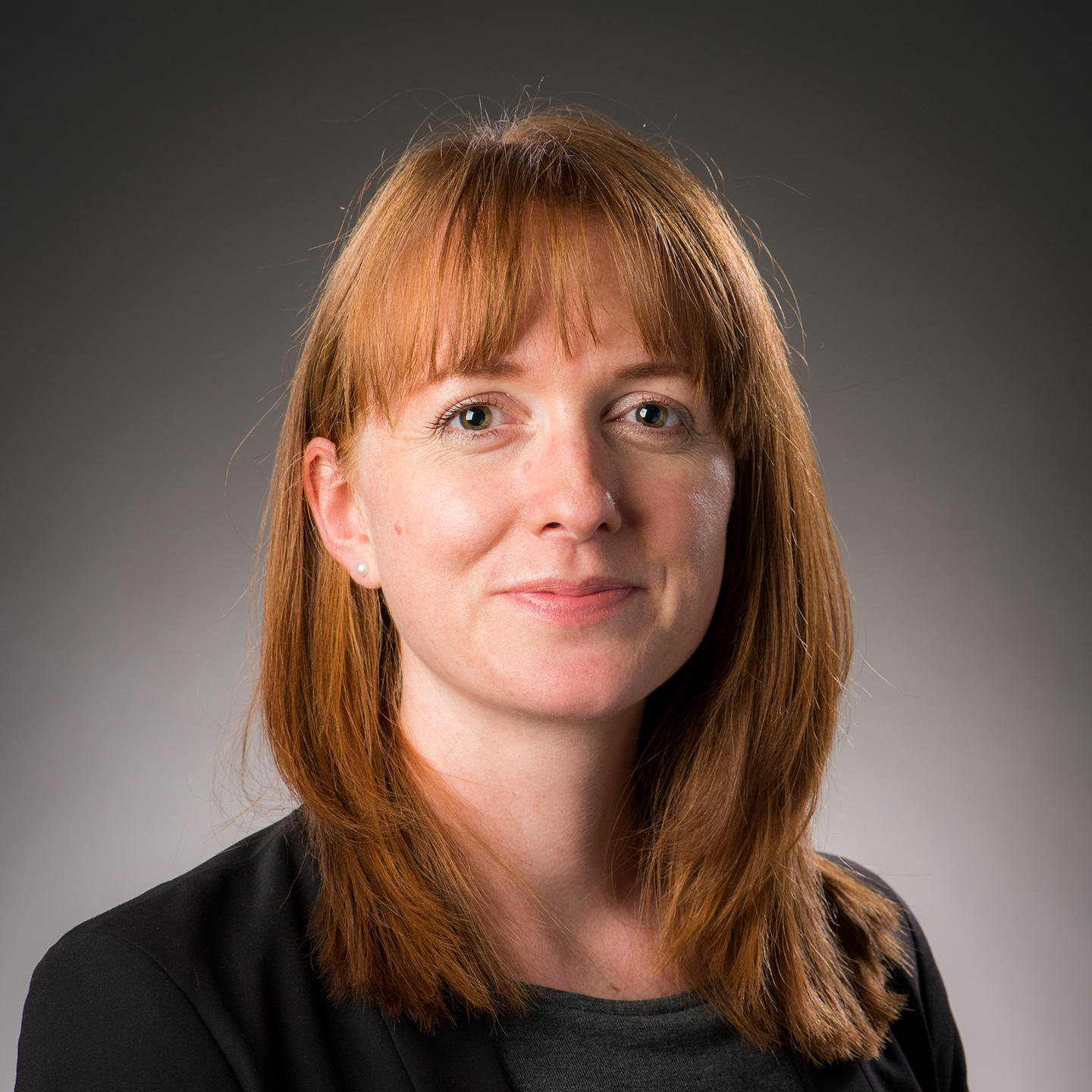
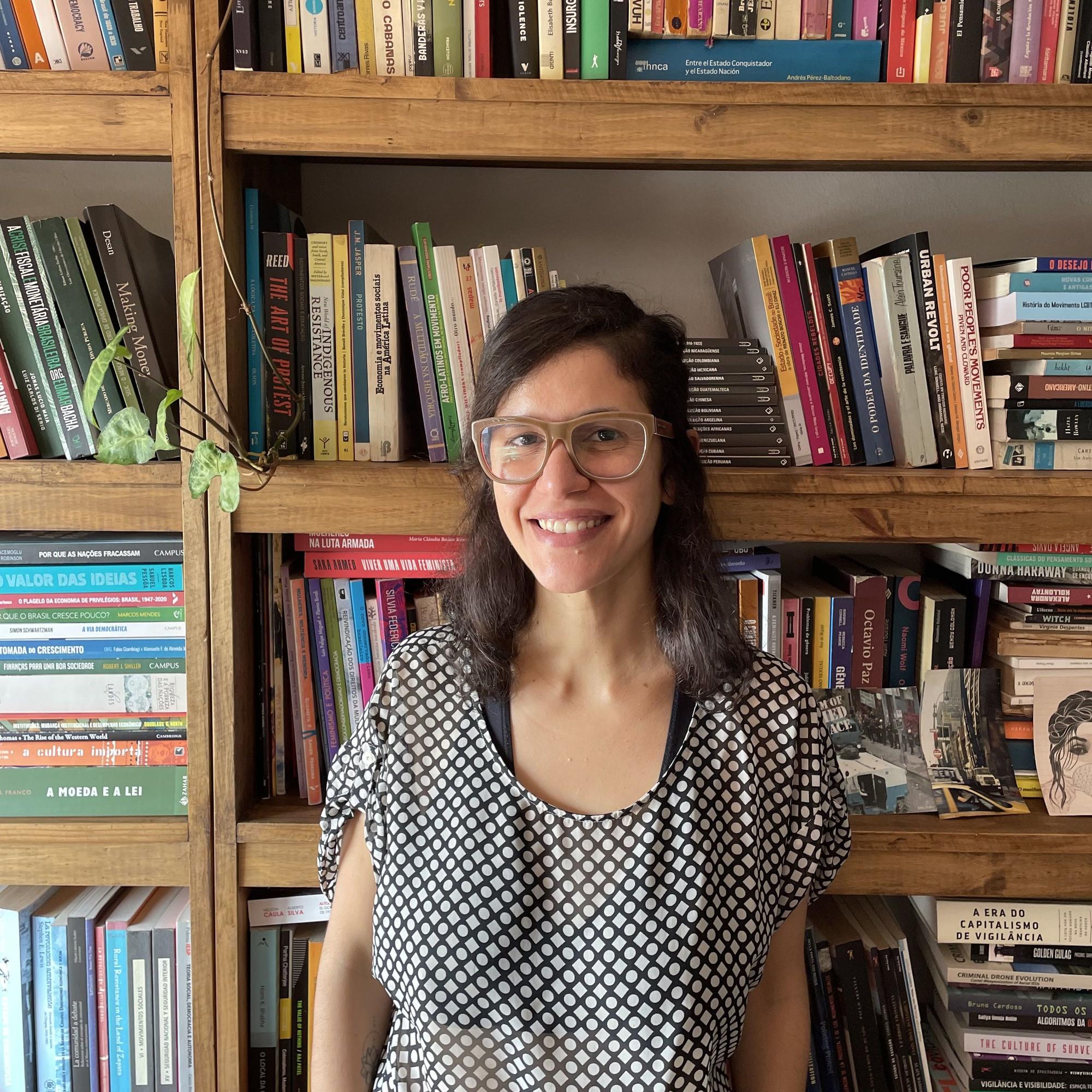
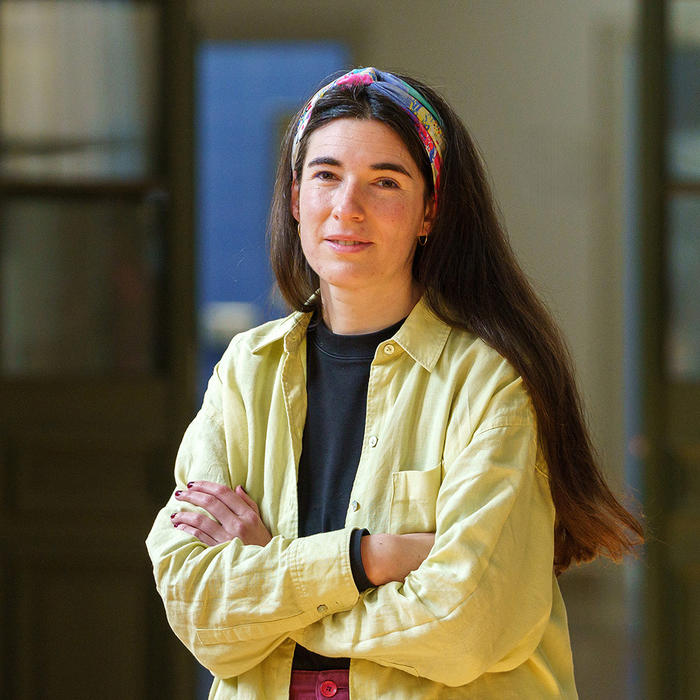
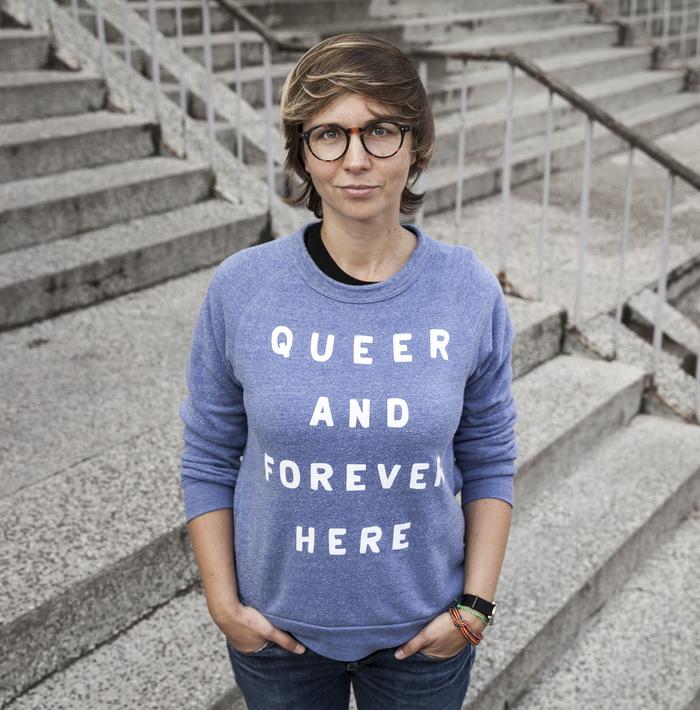
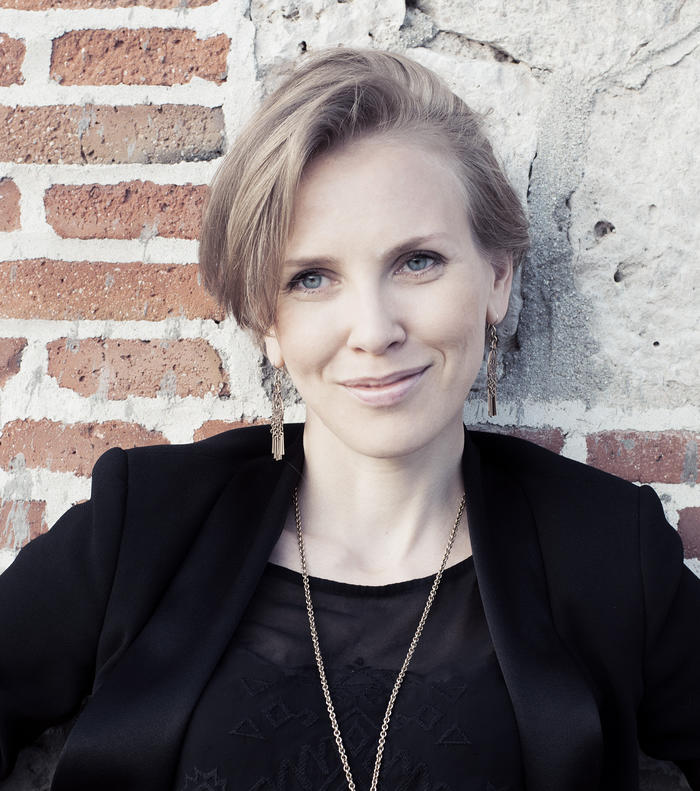
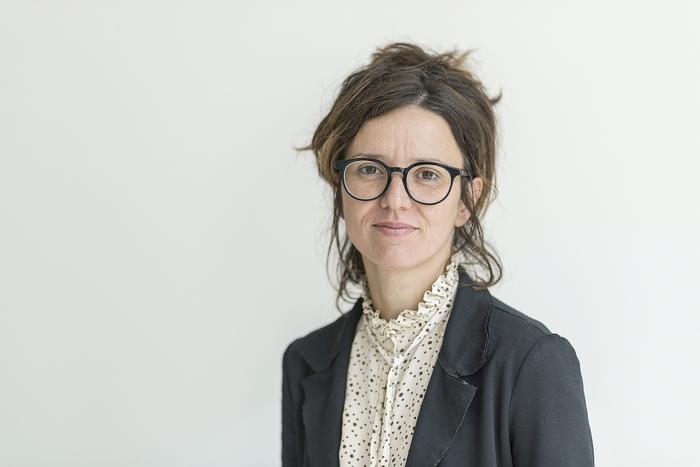
Aideen Quilty

Aideen Quilty
Bildquelle: Aideen Quilty

Dr. Aideen Quilty is Associate Professor in Gender Studies and Social Justice at the School of Social Policy, Social Work and Social Justice UCD, Ireland where she is also Head of School and Director of the nationally recognised, award winning Community University Outreach Programme. An interdisciplinary scholar, her research interests and publications draw on intersecting feminist, queer and spatial theories.

Radhika Govinda

Radhika Govinda
Bildquelle: Radhika Govinda

Dr. Radhika Govinda is Senior Lecturer in Sociology at the University of Edinburgh, UK and the Director of GENDER.ED – the University’s interdisciplinary hub for gender and sexualities studies. Her research and teaching bridge the fields of sociology of gender, international development and South Asian Studies. She is author of Feminist Politics, Intersectionality and Knowledge Cultivation, and co-editor of Doing Feminisms in the Academy, and Gender in South Asia and Beyond.

Fiona Mackay (summer term 2025)

Fiona Mackay (summer term 2025)
Bildquelle: Fiona Mackay

Dr. Fiona Mackay is Professor of Politics at the University of Edinburgh, and was founding director of the University's interdisciplinary hub GENDER.ED. Her research interests include gender and political representation, gendered institutional change, and gender and public policy. She was founding co-Director of  FIIN, an international methodology collaboration developing Feminist Institutionalism (FI). 

Maria Grazia Gambardella

Maria Grazia Gambardella
Bildquelle: Maria Grazia Gambardella

Dr. Maria Grazia Gambardella is a research fellow at the University of Milano-Bicocca, Department of Sociology and Social Research. Her work focuses on youth transitions, gender and social inequalities, early parenthood, and gender-based violence, with a strong methodological background in qualitative and longitudinal research. She is a member of several academic boards. Her current research interests include youth well-being, future imaginaries, everyday forms of citizenship, and the study of gender-based violence.

Beatriz Ranea-Triviño

Beatriz Ranea-Triviño
Bildquelle: Beatriz Ranea-Triviño

Dr. Beatriz Ranea-Triviño is assistant professor at the Department of Applied Sociology, Faculty of Communication, Complutense University of Madrid, Spain. She holds a PhD in Sociology and Anthropology from UCM and an Erasmus Mundus Master’s in Women’s and Gender Studies from University of Hull (UK) and University of Granada (Spain). She has participated in several Gender Studies research projects, including the Horizon 2020 project UniSAFE – Gender-based violence and institutional responses: Building a knowledge base and operational tools to make universities and research organisations safe; she has also been Principal Investigator of the MASPOL study "Equality Policies, Masculinity, Care, and Violence: Analysis of Public Policies Addressed to Men in Spain". Her main research interests are masculinities and social change, gender and power in higher education, and gender-based violence. 

Didem Ünal

Didem Ünal
Bildquelle: Didem Ünal

Dr. Didem Ünal is an Academy Research Fellow at the University of Helsinki’s Faculty of Theology. Her research explores gender politics, right-wing populism, authoritarianism, politics of religion, and feminist movements. Her work has been published in various journals, including Women’s Studies International Forum, Journal of Women, Politics & Policy, European Journal of Women’s Studies, Politics & Gender, Journal of Middle East Women’s Studies, and International Feminist Journal of Politics. She recently completed her book manuscript on the crisis of democracy, gender backlash in Islamist populism, and feminist resistance, forthcoming with Lexington Books.

Sveva Magaraggia

Sveva Magaraggia
Bildquelle: Sveva Magaraggia  

Dr. Sveva Magaraggia is an Associate Professor of Sociology of Culture and Communication at the Department of Sociology and Social Research, University of Milano-Bicocca. Her research focuses on youth experiences, family life, gender dynamics, and gender-based violence. She has two ongoing national research projects: PRIN 2022 "GeNoMa Violence. Gender Norms, Masculinities and Violence against Women" (2023-2025) and PRIN PNRR "Growing old, feeling like citizens? Lived citizenship experiences among Muslim young adults of North African origin in metropolitan and provincial Italy" (2023-2025). In previous years, she worked at Roma Tre University and Macquarie University in Sydney, Australia. Her recent publications include Male and Female Violence in Popular Media (Bloomsbury Academic, London, with E. Giomi, 2022) and the article At Close Distance. Family Practices of Italian Young Adults During the Pandemic, published in Rassegna Italiana di Sociologia (with D. Cherubini and M.G. Gambardella, 2023).


Mitra Shamsi (summer term 2024)

Mitra Shamsi (summer term 2024)
Bildquelle: Mitra Shamsi

Dr. Mitra Shamsi is a research fellow at the Center for Advanced Internet Studies (CAIS) in Bochum, Germany, working on digital feminist activism in Iran. She holds a PhD in Media and Communication Studies from the University of Tehran, Iran. Her research lies at the intersection of political communication and feminist media studies, examining the mediation of women’s activism and contemporary gendered debates in Iran. She is particularly interested in the generation and circulation of feminist narratives by Iranian feminists and women’s rights campaigners, with a special focus on digital feminist discourses. Before joining the CAIS, she held a research and development position at the Iranian Research Institute for Information Science and Technology (IranDoc).

Dounia Bourabain (summer term 2024)

Dounia Bourabain (summer term 2024)
Bildquelle: Dounia Bourabain

Dr. Dounia Bourabain is assistant professor of sociology at the School of Social Sciences at Hasselt University. Her work centers on sexism and racism in academia investigating the struggles and resistance of minoritized academics in the European context. She has published in Gender, Work and Organization; the Journal of Ethnic and Migration Studies; the DuBois Review; Race, Ethnicity and Education among others. She is part of the editorial team of the race and ethnicity section of Sociology Compass and the Dutch Journal of Gender Studies. In 2023, she received the Emma Goldman Snowball Award for her contribution and engagement to feminist and inequality issues in Europe. She is co-host of the podcast ‘Joy in Academia’.

Louise Richardson-Self (winter term 2023/24)

Louise Richardson-Self (winter term 2023/24)
Bildquelle: ABC RN Siobhan Marin

Dr. Louise Richardson-Self is Senior Lecturer in Philosophy and Gender Studies at the University of Tasmania. She is a feminist philosopher with a particular focus on social justice issues, having graduated with a PhD in Philosophy from the University of Sydney in 2014. She is the author of two books—Justifying Same-Sex Marriage (2015) and Hate Speech Against Women Online (2021)—both published with Rowman & Littlefield International, and numerous journal articles catalogued here

Dr. Louise is presently engaged in two Australian Research Council-funded research projects: Hate Speech Against Women Online, a Discovery Early Career Research Award which has provided support for her visiting fellowship at Freie Universität (DE190100719), and a second interdisciplinary project entitled Religious Freedom, LGBT+ Employees, and the Right to Discriminate (DP200100395). A developing area of interest is philosophical autoethnography, and she is currently writing a memoir on the experience of female pelvic pain and medical trauma.

Dr. Andrea Kottow

Dr. Andrea Kottow
Bildquelle: Dr. Andrea Kottow

Dr. Andrea Kottow is Associate Professor at the Department of Literature at Universidad Adolfo Ibáñez, Santiago de Chile. She holds a PhD in History of Medicine (Freie Universität Berlin). She is a researcher in the field of literary studies, and has specialized in the relationships between literature and medicine from a bio political approach, with an interest in the meanings and representations of illness and health in literature, and in the links between literature and psychoanalysis, as well as literature and secrecy and literature and gender.

She is the author of Der kranke Mann. Medizin und Geschlecht um 1900 (Frankfurt/New York: Campus, 2006), co-authored with Ana Traverso, Escribir & tachar. Narratives written by women in Chile (1920-1970) (Santiago de Chile: Overalls, 2020), Fronteras de lo real. (Santiago de Chile: Hueders, 2022), Enfermedades de la modernidad (Santiago de Chile: Ediciones Universidad Alberto Hurtado, 2022).

She is working currently in a project about writing and secrecy, and is a Visiting Professor at the Institut für Theaterwissenschaft at the FU Berlin.

Selene Yang

Selene Yang
Bildquelle: Selene Yang

Selene Yang is a Ph.D. candidate in Social Communications at the National University of La Plata (UNLP), Argentina. Part of the Center for Research and Communication in Public Policy at UNLP. Her research interests are feminist cartography, and open geospatial data with a gender perspective.

Co-founder and Coordinator of Geochicas. Member of the networks Tierra Común and A+Alliance. A former fellow of the Latin American Initiative for Open Data (ILDA) and the Open Knowledge Foundation.

Foto_Rawłuszko

Foto_Rawłuszko
Bildquelle: Marta Rawłuszko

Dr. Marta Rawłuszko is Assistant Professor of Social Sciences at the University of Warsaw, Poland and a co-founder of the Feminist Fund in Poland. Her research interests are feminist activism, institutionalization of gender equality and state movement dynamics, and the politics of #metoo. 

Simone da Silva Ribeiro Gomes (summer term 2023)

Simone da Silva Ribeiro Gomes (summer term 2023)
Bildquelle: Simone da Silva Ribeiro Gomes

Dr. Simone Gomes is an associate professor in Sociology at Universidade Federal de Pelotas (UFPel) since 2018. Gome's research interests are Social Movements, Crime and Violence and Gender Theory. She holds a PhD in Sociology (IESP-UERJ), a MSc in Sociology (Paris 7) and Social Psychology (UERJ) and a BA in Psychology (UFRJ) . Also, she was visiting scholar at UNAM- Universidad Nacional Autonoma de Mexico (2014-2015). She is currently interested in how violence shapes feminist trajectories in Latin America, focusing on how narcotrafficking, police violence, and State repression inhibit gender mobilizations.

Caleb Ward (summer term 2023)

Caleb Ward (summer term 2023)
Bildquelle: Dr. Caleb Ward

Dr. Caleb Ward is a philosopher studying agency and oppressive social structures. His research at MvBZ focuses on the political thought of Black feminist poet Audre Lorde, particularly her use of poetry as a political pedagogical method and her theory of political agency and coalitional action. He is currently a postdoc in philosophy at Universität Hamburg.

Ebtihal Mahadeen

Ebtihal Mahadeen
Bildquelle: Ebtihal Mahadeen

Dr. Ebtihal Mahadeen is Lecturer in Gender and Media Studies at the Department of Islamic and Middle Eastern Studies, University of Edinburgh. Her research addresses the interaction between gender, sexuality and the media within the Jordanian context/Middle East and North Africa region. She has published extensively on the gendered politics of culture, mediated femininities and masculinities, and the media as sites of hegemony and resistance. She has a professional background in reporting and online media, and has continued to cultivate a practice-led, not just academic, relationship with the media through various roles including Chief Editor of Jeem.me platform (specialising in producing Arabic-language content on gender and sexuality) and writing op-eds for various media outlets including The New Arab, 7iber, and Middle East Eye.

Ailynn Torres

Ailynn Torres

Ailynn Torres Santana is a postdoctoral fellow at the International Research Group on Authoritarianism and Counter Strategies (Rosa Luxemburg Foundation). Her research project analyses the authoritarian and conservative tide in Latin American through a feminist lens. The research project proposes a regional and globally connected analysis of three fields: government measures, religious fundamentalisms, and feminist responses. Ailynn is a social scientist that has worked as a social researcher and has been a visiting professor at the University of Havana (2006–2012), FLACSO Ecuador (2016–2018, 2020), the University of Barcelona (2015, 2018), and other universities. She has been visiting scholar at the University of Massachusetts (2018) and Harvard University (2019). Ailynn is a member of the Friedrich Ebert Foundation’s regional project “The Future Is Feminist.” 

Vidisha Mishra, M.Sc.

Vidisha Mishra, M.Sc.
Bildquelle: Vidisha Mishra

Vidisha is a social scientist with over 5 years of research and multi-stakeholder project management experience as an Associate Fellow and Gender Lead at the Observer Research Foundation, one of India's leading think tanks. She completed her Msc. in Gender, Development, and Globalisation from the London School of Economics and Political Science, UK.

Vidisha is a member of the Women20 (W20) Network and the Think Tank 20 (T20) Digital Economy Task Force of the G20 countries. She represented India at the W20 Berlin Summit (2017) and W20 Tokyo Summit (2019). Previously, she was a fellow with the Managing Global Governance Programme of the German Development Institute (DIE) and the German Federal Foreign Office’s International Futures Programme. Most recently, Vidisha is also associated with the Weizenbaum-Institut für die vernetzte Gesellschaft (German Internet Institute) where she worked on context-specific gender-responsive scenarios for the future of learning in the digital age.

Her research focuses on how local socio-cultural norms interact with, get replicated, or transform with new technologies in emerging economies. Vidisha has over 30 publications on platforms such as Economics E-Journal, Routledge Books, and the World Economic Forum (WEF) as well as international media platforms.

For further information, please see Vidisha's profile on Google Scholar.

Contact

E-Mail: vmishra@zedat.fu-berlin.de

Liina Mustonen, Ph.D.

Liina Mustonen, Ph.D.
Bildquelle: privat

Liina Mustonen’s post-doctoral project explores the interplay between gender performativity and mobility in the migration between Europe and the Middle East. She conducted several months of fieldwork for the project in Beirut in 2017 and 2018 as a visiting researcher of the Finnish Institute in the Middle East. The project expands on her earlier work, in which she explored social distinction and the politicization of gender in Egypt during the country’s transitional period (2011–2013) and for which she conducted extensive fieldwork in Cairo. At the Margherita von Brentano Center,she will revise the manuscript for her first book that looks at the intersection of class, gender, and race in processes of othering in Egypt’s recent past. 

Liina received a PhD in Political and Social Sciences from the European University Institute in Florence in 2017. Her PhD research was generously funded by the Academy of Finland. Previously, she was a visiting researcher at the Instituto Universitario de Estudios de Género, Carlos III in Madrid. At the moment, Liina teaches gender and politics with a focus on the Middle East at the University of Helsinki, where she is also an affiliated researcher with the Center for Research on Ethnic Relations and Nationalism (CEREN) at the Swedish School of Social Science in Helsinki. She is also a book reviews editor of Allegra Lab.

Contact

E-Mail: liina.mustonen@eui.eu

Dr. Eliza Steinbock

Dr. Eliza Steinbock
Bildquelle: Bridge Shirt

Eliza Steinbock is an assistant professor in Cultural Analysis at Leiden University Centre for the Arts in Society since 2014. Steinbock's interests spread across three interdisciplinary fields: Transgender Studies, Affect Theory and formations of the Post/Human. Cutting across these preoccupations is an investigation into the politics and aesthetics of art-making (who, what, for whom, how, to what effect). How do varying frameworks of visuality shape social understandings of bodily difference? They investigate visual culture mediums like film, digital media, and photography, with a special focus on dimensions of race, gender and sexuality.
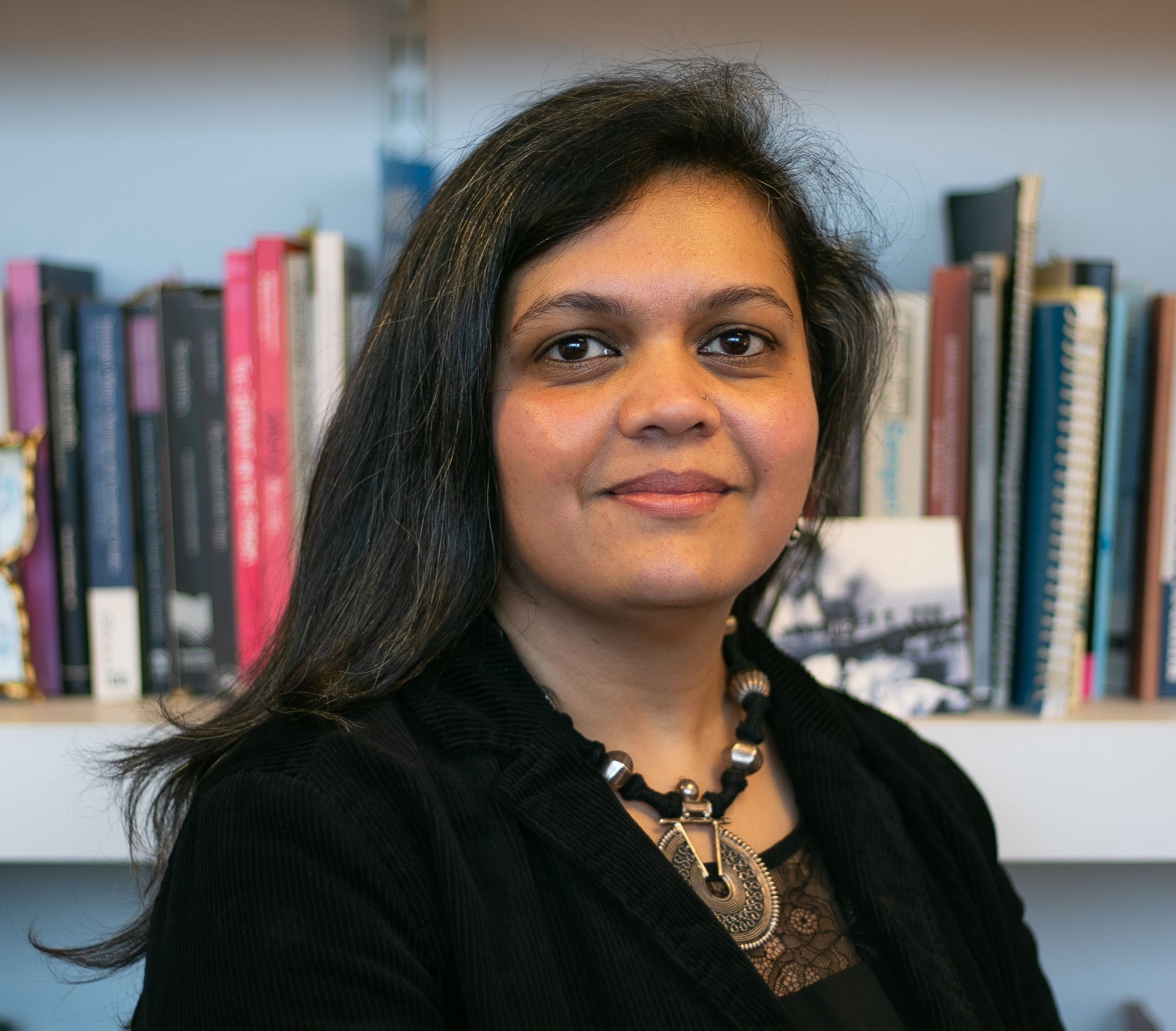
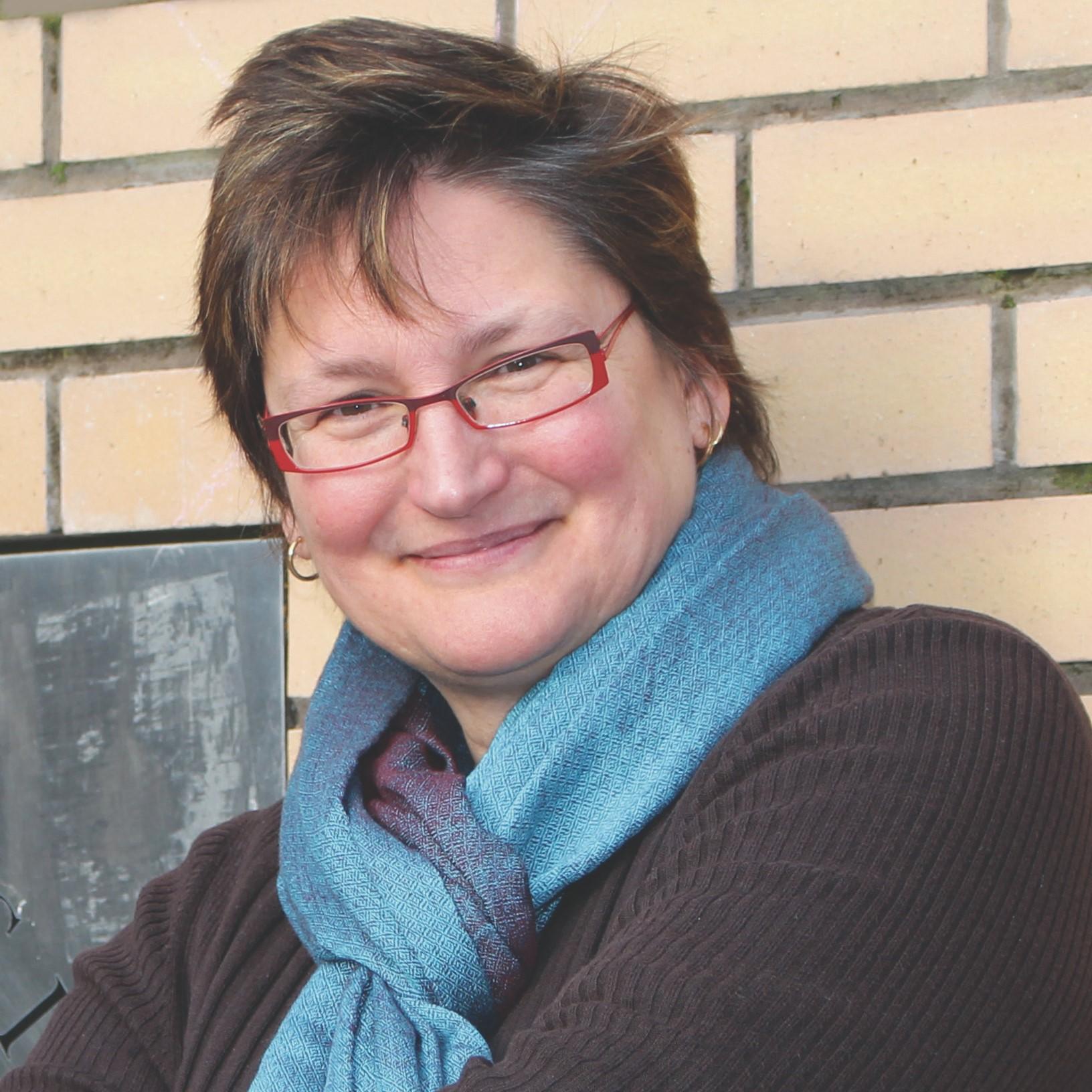
Eliza received a MA in Cultural Studies from Leeds University (2004), a PhD in Cultural Analysis (2011, ASCA Fellowship) from the University of Amsterdam, and thereafter a NWO Veni Postdoctorate award for "Vital Art: Transgender Portraiture as Visual Activism" (2014-2018).

Eliza’s first book is published by Duke University Press, Shimmering Images: Trans Cinema, Embodiment, and the Aesthetics of Change (March 2019), which traces traces how cinema offers alternative ways to understand gender transitions through a specific aesthetics of change. Drawing on Barthes's idea of the “shimmer” and Foucault's notion of sex as a mirage, the author shows how sex and gender can appear mirage-like on film, an effect they label shimmering. Steinbock applies the concept of shimmering—which delineates change in its emergent form as well as the qualities of transforming bodies, images, and affects—to analyses of films that span time and genre.

During their stay at the MvBZ, Eliza will be working on their second book project provisionally titled Cherishing and Perishing in Transgender Portraiture that places the production and circulation of contemporary transgender (self) portraiture in the wider field of visual activism. The research includes interviews with twelve trans-identified cultural producers based in Toronto, Berlin, Cape Town and Johannesberg. The book’s approach is attentive to the social embedding of cultural and artistic production, and employs transgender studies theories to center critiques of binary gender norms, the stigmatizing of gender non-conformity, and subjugated knowledge of trans* subjects. Multiple book chapters and articles on trans art hirstories, artists who redress violence and stigma while fostering resilience, and the framing of trans bodies in contemporary mediascapes are already published. Within the scope of the NWO grant and research on this project, Steinbock chaired the conference "Art & Activism: Resilience Techniques in Times of Crisis" (13-15 Dec. 2017, Leiden), and will also be finalizing the manuscript with book chapters developed from the conference proceedings.

Nationally, they serve on the Netherlands Research School for Gender Studies' Education Commission and on the board of the NIAS-Lorenz Program dedicated to inter-disciplinary research. Since 2013, Steinbock is the founding editor of the Art and Culture review section of TSQ: Transgender Studies Quarterly (Duke journals). Together with Susan Stryker (University of Arizona), Eliza will co-edit a new book series at Duke University Press called ASTERISK: Gender, Trans-, and All That Comes After. Information about Steinbock's research related events with artists, media experts, trans advocates and (inter)national scholars can be found on their website, which also announces upcoming events. 

Recent publications:

Eliza Steinbock, Shimmering Images: Trans Cinema, Embodiment, and the Aesthetics of Change (Durham and London: Duke University Press, March 2019)

Eliza Steinbock, “On Affective Exchange in Portraiture: To Follow J. Jackie Baier into the Photographic Dissolve.” How to Do Things with Affects: Affective Triggers in Aesthetic Forms and Cultural Practices. Eds. Ernst van Alphen and Tomáš Jirsa (Amsterdam: Brill Publishers, 2019), 251-272.

Eliza Steinbock, “A Conversation with Cassils on Propagating Collective Resilience in Times of War.” Performance Matters Journal 4.3 (2019): 108-127. Online

Eliza Steinbock, “Collecting Creative Transcestors: Trans* Portraiture Hirstory, from Snapshots to Sculpture.” A Companion to Feminist Art. Eds. Maria Buszek and Hilary Robinson (Hoboken, NJ: Wiley-Blackwell Publishing, April 2019).

Eliza Steinbock, (Co-edited with Cáel Keegan and Laura Horak) Somatechnics Journal issue “Cinematic Bodies.” 8.1 (2018): 142pp. – “Introduction: Cinematic/Trans*/Bodies Now (and Then, and to Come).” 1-13.

Eliza Steinbock, (Co-edited with Marianna Szczygielska and Anthony Wagner) Angelaki: Journal of the Theoretical Humanities issue “Tranimacies: Intimate Links between Animal and Trans* Studies” 22.2 (2017): 285pp. - “Introduction: Thinking Linking.” 1-10.

Contact

E-Mail: e.a.steinbock@hum.leidenuniv.nl

Web

Dr. Kristina Fjelkestam

Dr. Kristina Fjelkestam
Bildquelle: privat

Kristina Fjelkestam is professor of gender studies at Stockolm University. As she sees it, gender studies builds on three pillars that are grounded in theory, politics, and history. Theory is the binding element in the interdisciplinary field of study; politics is the idea that the subject not only wants to describe oppressive mechanisms but also change them, which is based on an emancipatory struggle with historical roots.

She is particularly interested in research on language and sexuality, as these are such central aspects of people’s lives, but she is also interested because they are complex and, paradoxically, represent both the best and the worst that can happen to us. Language can be artistically enjoyable but also exert violence; sexuality can lead to both wonderful and horrific experiences.

Her research profile is generally based in feminist cultural theory with a historical focus. She is currently interested in research on queer temporality, which involves alternative notions of time, and I focus on this in the research programme Time, Memory, Representation: On Transformations in Historical Consciousness, funded by the Bank of Sweden Tercentenary Foundation. In the past, she has worked with cultural memory (i.e. what and how a society chooses to remember) and different perspectives on the theory and practice of historiography.

Latest publications

(2018) ”Does Time Have a Gender? Queer Temporality, Anachronism, and the Desire for the Past”, The Ethos of History. Time, Location and Responsibility, ed. Stefan Helgesson & Jayne Svenungsson, Oxford:Berghahn.

(2018) ”Retrofili och begäret efter det förflutna”, Tidskrift för genusvetenskap nr 2-3.

(2018) ”Våldsam extas”, Ord och Bild nr 4.

Contact

E-Mail: kristina.fjelkestam@gender.su.se

Web

Dr. Ricarda Drüeke

Dr. Ricarda Drüeke
Bildquelle: Patrick Daxenbichler

Ricarda Drüeke is an Assistant Professor in the Department of Communication Studies at the University of Salzburg, Austria, where she has been working as a researcher and lecturer since 2007. Her research interests are political communication and digital publics, digital activism and networked feminism and medial representations of ethnicity and gender.

She is currently working on projects within the broader field of cultural and gender media studies. Specifically, she has conducted research on media representations of refugees and migration-related issues as well as on constructions of spaces of identities in and through the media from a critical ethnic studies perspective. In addition, she is an affiliated member of the “Contemporary Arts & Cultural Production” program area – a joint cooperation of the University of Salzburg and the Mozarteum University Salzburg. There, she conducts together with Elisabeth Klaus and Anita Moser research on intervention practices in various publics with a focus on cultural productions as well as on the media and artistic discourses on migrants and refugees. Furthermore, she is working together with Elisabeth Klaus on right-wing movements and actors such as the racist and nationalist Identitarian Movement in Austria and Germany. This project sheds light on the problems and risks of digital publics.

Her ongoing research project deals with media repertoires in contemporary protest movements, such as feminist protest articulations and movements. She uses a comprehensive approach to address different forms of protest within social movements ranging from established actors to temporary networks to fluid articulations. During her stay as a visiting scholar, she plans to continue her work on a framework for digital publics and protest movements. She is interested in the question of how digital publics build an “activist” or “advocacy sector” for feminist issues and how they question hegemonic structures, including cultural and mediated forms of political interventions in which multi-faceted, disturbing counter-conventional interpretations are offered. The project aims to describe, using case studies, how digital publics can be considered contested spaces that, on the one hand, enable feminist activism and, on the other hand, are increasingly occupied by reactionary movements through the adaptation of communicative practices by right-wing and antifeminist actors. In addition, the aim of the project is to work out how resistance and protest in digital publics can continue to be pursued in an emancipatory sense and how hegemony and privilege can be continually called into question.

Contact

E-mail: ricarda.drueeke@sbg.ac.at

Web

Prof. Dr. Shulamit Almog

Prof. Dr. Shulamit Almog
Bildquelle: Shulamit Almog

Shulamit Almog is a Full Professor of Law at the University of Haifa, and Co-Director of the Center of Law, Gender and Policy. 

Her interests are law and culture, law and literature, law and film, feminist legal studies and children's rights.

Prof. Almog investigates the links between law and culture from two perspectives. One is mapping the inter-relations of law and the humanities in general, and law and literature in particular. Another is a pragmatic integration of cultural studies insights with human rights issues, particularly as it pertains to the rights of women and children. Prof. Almog’s work reflects a belief that a rigorous intellectual framework, focused on the power of narrative, can inform policy in these areas, in ways that can lead towards very real improvements in peoples' lives.

Prof. Almog’s book trilogy -- Law and Literature (2000), Law and Literature in the Digital Age (2007), and Law and Film (2012), lays out an investigation of the ways in which diverse cultural representations have affected, currently affect, and are expected to affect the manner in which the law is shaped, perceived, and executed.

Prof. Almog was invited as a Guest Lecturer to several universities around the globe, including Monash University, the University of Toronto, American University, Masaryk University, the University of Helsinki and Bocconi University.

One of Prof. Almog’s most important scholarly objectives is the development of a feminist critique of Israeli law and the promotion of women’s rights. Prostitution is one topic she has covered extensively in recent years. Prof. Almog proposes a conceptualization of the harm prostitution renders as a ‘social infamy tax’, bearing severe implications that are ignored by the law. Her articles in this field have examined the dialectical relations between prostitution and employment law, considered prostitution as a trauma unrecognized by both the law and society, and presented the battle between prostitution’s representations in popular culture and the manner in which these representations have, in turn, affected the law. Prof. Almog engaged in extensive public advocacy on this issue. Some of her work was presented at the Knesset, and she appeared before several of its committees. In recent years, her work has inspired parliamentary bill concerned with reforming the treatment of prostitution in Israeli law, which is currently under deliberation. She has also served as a member of the committee which awards Israel’s annual award to individuals and authorities involved in the struggle against human trafficking.  

Contact

E-Mail: salmog@law.haifa.ac.il

Web

Dr. Michela Villani

Dr. Michela Villani
Bildquelle: Bernd Wannenmacher

Michela Villani is Senior Researcher at the Department of Social science of the University of Fribourg (Sociology). Primarily based in Switzerland, her work joins discussions in the fields of sexuality, gender and migration through a critical analysis of the new forms of displacement of practices and representations and their effects in terms of inequalities. She previously worked on female genital mutilation as public problem, on women’s journeys to clitoral reconstruction after excision in France; on the secrecy of the HIV status of sub-Saharan women living in Switzerland; on racial prejudices and their effects on sexual health of young sub-Saharan people living in Switzerland (currently JASS); on the abandonment of the desire of biological child among heterosexual Italian couples undergoing ART procedures (currently ETHOPOL).

Her current projects bring on sexual dynamics, socialisation processes, representations, practices and risk behaviours of young people of sub-Saharan origin living in Switzerland (JASS - Sub-Saharan African youth and sexual health). This research shows that first and second generation of young immigrants still experience a gender gap in the access to sexual health and sexual rights. Gender roles are tied to a complex dynamic of both respecting parent’s expectations and adapting to the peer’s sexual interactions and codes.

She is member of the Research Program ETHOPOL- Government of familiar feelings funded by the French National Research Agency (2015-2019). As part of the program, she conducted a qualitative research in Italy regarding the experiences of Italian couples undergoing in Vitro fertilisation (IVF). The analysis from this study showed that women, beside their investment in their own body because of the invasive procedures, also invest in and perform emotional work in order to prove their maternal qualities to the medical team.

About

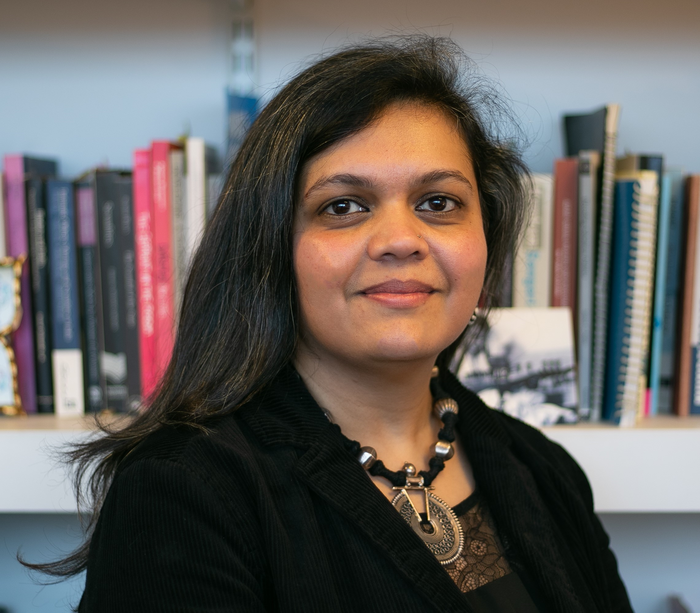
She holds a PhD in Sociology in 2012 at the School for Advanced Studies in Social Sciences (EHESS) in Paris. Her thesis entitled “Medicine, excision, sexuality. Sociology of clitoral repair of women with sub-Saharan origin" was awarded the Paris City Prize for Gender Studies in 2013. Since then she led seminars and teachings in Political economics of feelings, Qualitative Methodology and Ethics, Sociology of migration, gender and interethnic relationships at the EHESS and at the University of Fribourg. She is member of the editorial board of the journal, Genre, Sexualité & Société. Among her major publications, she mentions “FGM in Switzerland: between legality and loyalty in the transmission of a traditional practice” in the Health Sociology Review, “Reparative Approaches in Medicine and the Different Meanings of “Reparation” for Women with FGM/C in a Migratory Context in Diversity and Equality in Health and Care, and “Emotions at (scientific) work: ethical challenges and methodological strategies to investigate an intimate field in Genre, sexualité & societé. Her chapter “The need for clitoral reconstruction. Engaged bodies and committed medicine” (forthcoming) will be published in the book “Body, Migration, (RE)constructive Surgeries: Making the Gendered Body in a Globalized World” edited by Gabriele Griffin and Malin Jordal in Rutledge publisher. She directed the special issue “Bodies and Dissidences. Production, diffusion and circulation of images about gender and sexualities” for Genre, sexualité & société (forthcoming) where she and colleagues edited contributions from feminist scholars and artists critics. 
Contact

E-Mail: michela.villani@unifr.ch

Web

Dr. Melanie Richter-Monpetit

Dr. Melanie Richter-Monpetit
Bildquelle: Melanie Richter-Monpetit

Melanie Richter-Montpetit is Lecturer (Assistant Professor) in the Department of Politics at the University of Sheffield (UK). She is the recipient of a 2017-2018 Leverhulme Research Fellowship, which supports her book project Beyond the Erotics of Orientalism: Feminist and Queer Investments in Liberal War. Prior to her residence at the Margherita von-Brentano Center for Gender Studies, she spent the first nine months of the Fellowship as a Visiting Scholar at the Department of Geography and Planning at the University of Toronto.

Her research interests are in the areas of War and Security Studies, and in International Political Theory with focus on feminist, queer, and anti-colonial thought. Much of her work is concerned with the ongoing hold of racial-sexual and colonial formations of power on contemporary war and liberal security regimes. She explores how racial-sexual norms, practices and identities shape the production of force in ‘the international’, and in turn, how war and associated racial-sexual security practices are productive of new gendered racial-sexual normativities, subjectivities and (larger) political and economic orders.

She is currently working on three projects. Much of the research she will conduct at the MvBZ will focus on preparing the manuscript Beyond the Erotics of Orientalism: Feminist and Queer Investments in Liberal War. Combining and cross-fertilizing the burgeoning IR scholarship on liberal war with current debates in Black, Indigenous and Transnational Gender and Sexuality studies, the book thinks through the linkages between liberal technologies of the self and the more punitive operations of liberal security. By connecting the targeting of Muslim/ified people and spaces in the so-called War on Terror to genealogies of settler colonialism and chattel slavery, the book hopes to contribute to more robust responses to war, militarism and insecurity. Part of this analysis seeks to offer a deeper understanding of what is at stake in the recent inclusion of women and LGBT people in the U.S. military. She has been interviewed about this work by E-IR.
Melanie is also currently completing two co-authored books with Alison Howell (Rutgers University): Race and Security Studies (under review at Oxford University Press) and Martial Politics: Thinking Against Militarization and Securitization on Disability, Race and War (invited for review by ANIMA Series, Duke University Press).

About

Before joining the University of Sheffield, Dr. Richter-Montpetit worked as a Lecturer in International Security at the University of Sussex (UK). She pursued her undergraduate studies in Political Science at the Free University Berlin and then moved to Tkaronto/Toronto (Turtle Island/Canada), where she completed her MA and PhD studies in Political Science at York University. In 2017, she received the ISA’s (International Studies Association) Feminist Theory and Gender Studies Section’s inaugural Early Career Community Engagement Award for her work supporting equity and diversity inside and outside the academy. She is former Chair of the LGBTQA Caucus of the ISA and former Co-Chair of the Working Group ‘Politics and Gender’ (Arbeitskreis Politik und Geschlecht) of the German Association of Political Science (DVPW). Her work has appeared in Security Dialogue, Millennium – Journal of International Studies, the Oxford Research Encyclopedia of Politics, International Feminist Journal of Politics, and the Austrian Journal of Politics. She has provided TV and radio commentary on the racial and gender politics of security policy, and has blogged about issues of racial-sexual violence for The Conversation and The Disorder of Things.

Contact

E-Mail: melanie.richter-montpetit@fu-berlin.de

Dr. Peta Hinton

Dr. Peta Hinton
Bildquelle: Bernd Wannenmacher

Peta Hinton is Honorary Lecturer in the School of Social Sciences (Sociology and Anthropology) at the University of New South Wales and Affiliated Fellow with the ICI Berlin Institute for Cultural Inquiry. Primarily based in Berlin, her work joins discussions in the fields of feminist politics, sexual difference feminisms and new materialisms through a critical investigation of the way these intervene and formulate programs for social justice, political change, ethical relation and critique. Her current projects include a targeted analysis of conceptions of life, futurity, and relation underscoring these approaches through new materialist provocations and permutations on the nature of death and nothing (ICI Project – ‘A Sociality of Death’ 2013/15; ‘Ontologies of Nothing’ 2017/18), and a collaborative exploration, ‘Abandonment’ (with Xin Liu, University of Tampere), that unites our gender and critical race studies expertise to investigate how new materialisms in the mode of abandonment approach issues of race, difference, and social diversity in critical and methodological terms. A key aim of this project is to locate and build upon new materialist responses to diversity as these inform and transform feminist, postcolonial and decolonial political imaginaries and interventions. Her participation in the COST Action IS1307 ‘New Materialism: Networking European Scholarship on ‘How Matter Comes to Matter” has been instrumental for developing these research pursuits and connecting (to) feminist and new materialist inquiry across the EU and beyond. Preparations towards a co-edited volume on methodologies and new materialisms arising from COST activities will constitute part of the research she undertakes with the Margherita von Brentano Center for Gender Studies, Freie Universität, where her efforts will concentrate on the Abandonment project in the form of publication, collaboration, and presentation of this work.

About

Peta received her Ph.D. in Sociology with the University of New South Wales and lectured in this program before commencing her postdoctoral studies with the ICI Berlin Institute for Cultural Inquiry in 2013. Since her doctoral engagements she has researched and worked in a gender studies context, taking up with sociological problematics occupying contemporary feminist analyses to pursue a fresh perspective on questions of agency, identity, relation, political organization, methodology and critique. She received an Erasmus Mundus Third Country Scholar visiting scholarship with the Netherlands Research School of Gender Studies, Utrecht, in Spring 2012 and in recent years has been a visiting scholar at TEMA Genus, Linkoping University and Gender Studies at Karlstad University, Sweden. From 2014-16 she lectured in Gender Studies at Utrecht University, and she is currently a sessional lecturer with the Institute for Media and Cultural Studies, Heinrich-Heine-Universität, Düsseldorf, teaching in the gender studies stream. She has published in Hypatia, Somatechnics, Women: A Cultural Review, and Australian Feminist Studies, and her book chapter 'A Sociality of Death: Towards a New Materialist Politics and Ethics of Life Itself' appears in the volume What if Culture Was Nature All Along (ed. Vicki Kirby, 2017, Edinburgh University Press). She has co-edited the journal special issues ‘Feminist Matters: The Politics of New Materialism’ (Women: A Cultural Review, 2014) and 'Quantum Possibilities: The Work of Karen Barad' (rhizomes, 2016) along with a volume in the AtGender ‘Teaching With Gender’ series, Teaching With Feminist Materialisms (2015).

Contact:

E-Mail: peta.hinton@fu-berlin.de

Web